Wednesday, October 21, 2026

Before the FIFA World Cup kicked off in the United States, much of the conversation centered on logistics.
Would transportation hold up? Would security be sufficient? Could the United States successfully host one of the world's largest sporting events? Pundits debated attendance, infrastructure and politics.
But as the tournament has unfolded, many of the most memorable stories have had nothing to do with the matches themselves.
They've been about people.
Visitors from around the world have filled social media with stories about everyday interactions in America. They have talked about strangers offering directions, restaurant servers taking time to answer questions, volunteers greeting them with enthusiasm and ordinary conversations with people they had never met before. For many, those simple acts of hospitality have challenged assumptions they held before arriving.
At the same time, Americans have had a front-row seat to the traditions visitors have brought with them.
Japanese supporters once again made headlines by remaining after matches to clean their sections of the stadium, quietly picking up trash before leaving. It wasn't done for recognition. It wasn't organized as a publicity stunt. It was simply how they believed guests should conduct themselves.
Fans from rival nations have celebrated together outside stadiums, traded scarves, posed for photographs and shared meals despite rooting passionately for different teams. In many cities, supporters have turned public squares into celebrations where competition remained fierce, but respect remained intact.
Perhaps that's the most encouraging lesson of all.
Millions of people have gathered from different countries, speaking different languages, carrying different traditions and passionately supporting different teams. Yet the dominant story has not been conflict.
It has been hospitality.
It has been curiosity.
It has been respect.
That feels noteworthy at a time when so much of our daily attention is drawn toward division.
It is easy to believe that people are becoming less civil because those are often the stories that receive the most attention. Conflict generates clicks. Outrage spreads quickly. The loudest voices tend to dominate our screens.
But the World Cup has offered a reminder that another way of living still exists.
People can compete without contempt.
They can disagree without becoming enemies.
They can take pride in their own identity without diminishing someone else's.
Those lessons extend far beyond sports.
Every community welcomes visitors. Sometimes they are tourists. Sometimes they are new residents, new employees or families considering whether to make this place their home. Their impression of our community is rarely formed by a marketing campaign or an advertising slogan.
It is formed by the people they meet.
A smile from a cashier.
A helpful conversation with a stranger.
A business owner who takes a few extra minutes to help someone.
A volunteer who offers directions.
A neighbor who simply says, "Welcome."
Those moments may seem insignificant to the person offering them.
They are often unforgettable to the person receiving them.
The same is true for the way we leave things behind.
Whether it's cleaning up after ourselves at a community event, treating public spaces with respect or simply leaving a place a little better than we found it, those quiet habits say something about who we are. They reveal our character far more than our opinions ever will.
Long after this World Cup ends, most people will forget the final scores.
They won't remember every goal or every save.
But many will remember how they were treated.
They will remember the volunteer who welcomed them. The stranger who helped them find their way. The fans who cleaned up after themselves. The rivals who celebrated together instead of tearing one another down.
Those memories will shape their impression of an entire country.
The same is true here at home.
Every day, North Central Washington welcomes visitors, new residents, customers, students and families looking for a place to belong. Whether they stay for an afternoon or a lifetime, each of us has an opportunity to shape what they remember about our communities.
The World Cup reminds us that a community's reputation is not built only by its scenery, its economy or the events it hosts.
It is built by its people.
By how we greet a stranger.
By how we treat someone who sees the world differently.
By whether we leave a place better than we found it.
By whether we choose respect over ridicule, hospitality over indifference and kindness over convenience.
Those are choices every one of us can make, whether we're welcoming thousands of international visitors or simply greeting a neighbor across the street.
The final whistle will eventually blow on this tournament.
The lessons it offers do not have to end with it.
If we carry even a small measure of that hospitality, respect and civic pride into our own communities, North Central Washington will be remembered for something far more lasting than any sporting event.
It will be remembered for the character of the people who call it home.
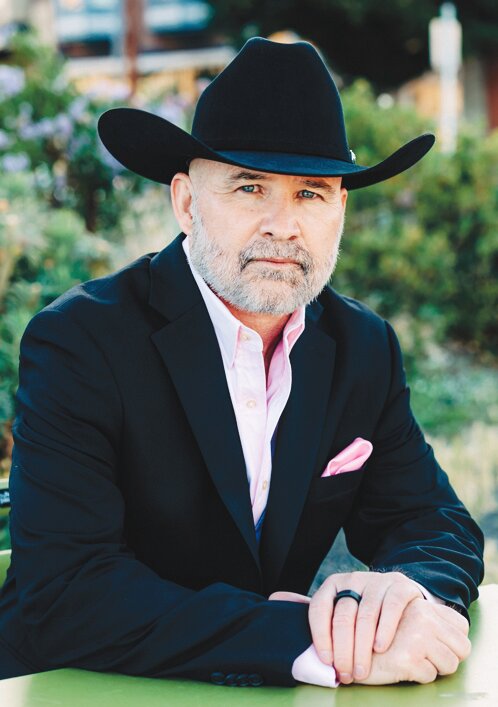
Terry Ward is the CEO of Ward Media and the publisher of NCW News, Cashmere Valley Record, Lake Chelan Mirror, The Leavenworth Echo, Quad City Herald, and the Wenatchee Business Journal. He can be reached at terry@ward.media.


Comments
No comments on this item Please log in to comment by clicking here